
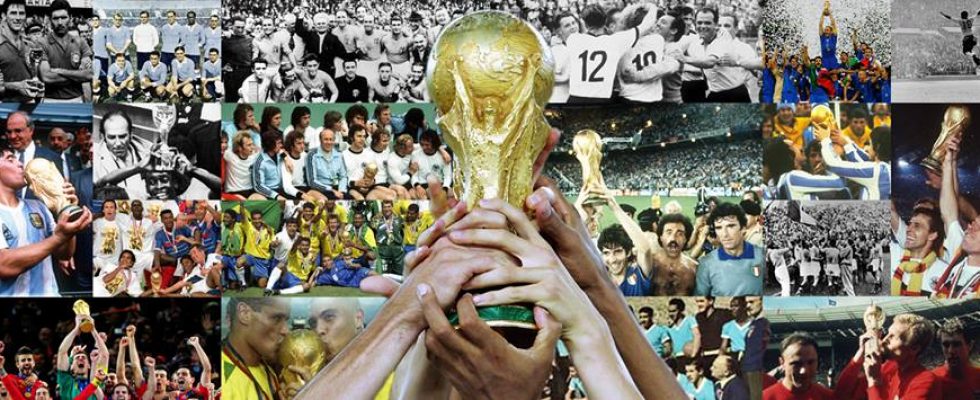
FIFA World Cup History: 1930 to 2022
Introduction: The Global Phenomenon of the FIFA World Cup 
The FIFA World Cup is more than just a football tournament. It is a global celebration of passion, unity, and competition. Held every four years, it brings together the best national teams from around the world to compete for the most prestigious trophy in football.
From its humble beginnings in 1930 to the spectacular tournament in 2022, the FIFA World Cup history reflects the growth of football into the most-watched sport on Earth. This journey highlights unforgettable moments, legendary teams, and iconic players who shaped the game.
The Birth of the FIFA World Cup (1930)
The first FIFA World Cup was held in Uruguay in 1930. Organized under the leadership of Jules Rimet, the tournament featured just 13 teams, mostly from the Americas.
Uruguay not only hosted the tournament but also won it, defeating Argentina 4–2 in the final. This victory marked the beginning of a historic football competition.
The Early Years and Interruptions (1934–1950) 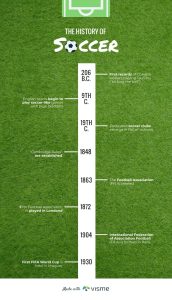
The second and third tournaments were held in Italy (1934) and France (1938), both won by Italy, establishing them as an early powerhouse.
However, the tournament faced a major setback during World War II. The 1942 and 1946 World Cups were canceled.
The competition returned in 1950 in Brazil, where Uruguay shocked the host nation in the famous “Maracanazo,” one of the biggest upsets in football history.
The Rise of Legends (1954–1970) 
This era marked the rise of football legends and iconic teams.
- Germany won in 1954
- Brazil dominated in 1958 and 1962, led by Pelé
- England won their only World Cup in 1966
- Brazil secured their third title in 1970
This period helped football gain worldwide popularity through increased media coverage.
Expansion and Globalization (1974–1990)
During this period, the World Cup expanded, allowing more teams from different continents to participate.
- Germany won in 1974 and 1990
- Argentina won in 1978 and 1986
The 1986 tournament was dominated by Diego Maradona, remembered for his incredible performances and the famous “Hand of God” goal.
This era transformed the World Cup into a truly global event.
The Modern Era Begins (1994–2010)
The modern era introduced commercialization, advanced broadcasting, and global fan engagement.
- Brazil won in 1994
- France won their first title in 1998
- The 2002 World Cup, hosted by Japan and South Korea, was the first in Asia, won by Brazil
- Italy won in 2006
- Spain won their first title in 2010
This era significantly increased the tournament’s global reach.
The Era of Superstars (2014–2022)
Recent World Cups have been defined by high competition and superstar players.
- Germany defeated Argentina in the 2014 final
- France won in 2018, led by Kylian Mbappé
The 2022 World Cup in Qatar was historic. Argentina won their third title, and Lionel Messi finally lifted the trophy.
The final between Argentina and France is widely considered one of the greatest matches in football history.
Evolution of the FIFA World Cup
Over time, the FIFA World Cup has evolved significantly:
- Teams increased from 13 (1930) to 32 (modern era)
- Introduction of VAR and goal-line technology
- Massive global audience in billions
- Strong economic and cultural influence
The tournament continues to grow in scale and importance.
Most Successful Teams in World Cup History
- Brazil – 5 titles
- Germany – 4 titles
- Italy – 4 titles
- Argentina – 3 titles
- France – 2 titles
Brazil remains the only team to have participated in every World Cup.
Why the FIFA World Cup Matters
The FIFA World Cup is more than a competition. It represents national pride, cultural exchange, and global unity.
For players, winning the World Cup is the highest achievement in football. For fans, it is a moment of joy, emotion, and unforgettable memories.
Conclusion: A Legacy That Continues
From the first tournament in 1930 to the thrilling final in 2022, the FIFA World Cup history is filled with unforgettable moments and legendary players.
It has grown from a small international competition into the biggest sporting event in the world. As football continues to evolve, the World Cup will remain its greatest stage—where history is created and legends are born.
Как выглядит дорожная карта при работе по модели SEO продвижение под ключ?
Какой объём контента нужен, чтобы эффективно шло SEO продвижение молодого сайта?
Как выглядит процесс работы после того, как раскрутка сайтов заказать уже оформлена?
На что обратить внимание перед тем, как заказать продвижение сайта?